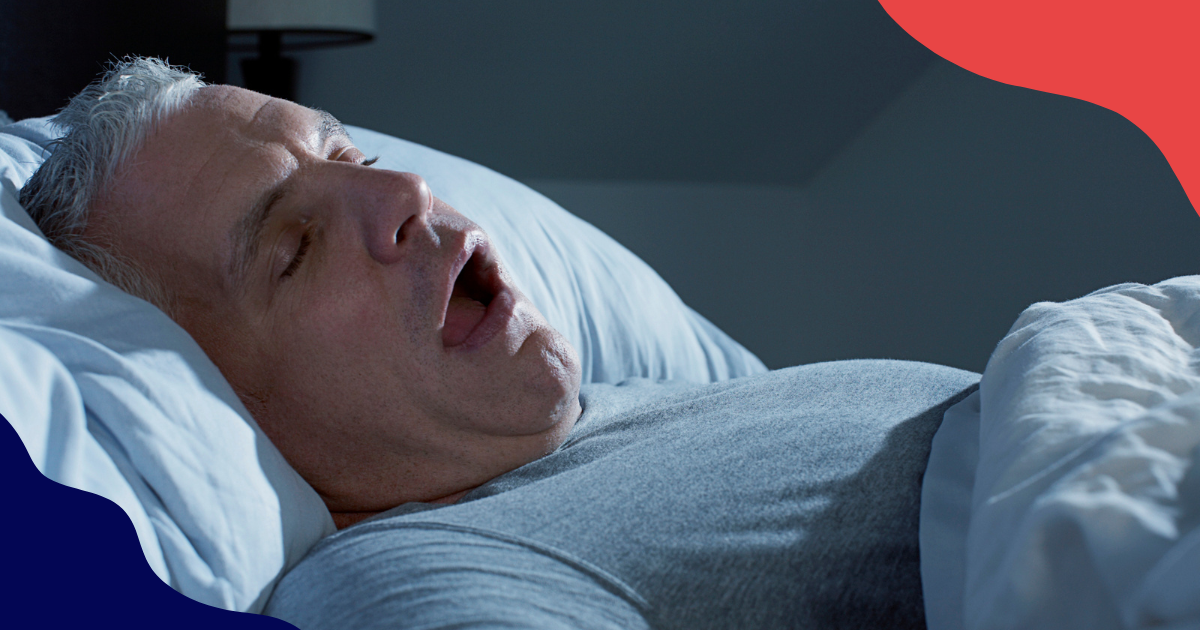

A Quick Guide for Australian Men
Low testosterone can be linked with changes in:
- Libido and sexual performance
- Morning erections
- Energy and stamina
- Mood, focus, and motivation
- Muscle strength and recovery
- Body fat and body hair
- Breast tissue
- Bone density
- Fertility
The safest next step is a medical assessment, not self-diagnosis. Testosterone levels need to be checked properly and interpreted alongside your symptoms.
Low Testosterone Symptoms: What Australian Men Should Know
Low testosterone does not usually appear overnight. For many Australian men, the early changes are easy to put down to work pressure, poor sleep, ageing, or a demanding routine. A lower sex drive, fewer morning erections, flat energy, reduced strength, low mood, or changes in body fat may all prompt a closer look at hormone health.
These symptoms are worth taking seriously, but they do not confirm testosterone deficiency by themselves. Sleep apnoea, thyroid concerns, depression, medication effects, alcohol use, diabetes, weight changes, and other health issues can cause similar problems.
At Men’s Health Clinic, assessment starts with the full picture. We review symptoms, health history, lifestyle factors, and Australian pathology results before discussing treatment.
Not sure where to start?
Book a free, confidential consultation with our medical team.
What Low Testosterone Means
Testosterone is an androgen produced mainly in the testes. It plays a role in male sexual development, reproductive function, sperm production, libido, muscle mass, bone density, red blood cell production, mood, and energy.
You may hear low testosterone described in different ways, including testosterone deficiency, androgen deficiency, late-onset hypogonadism, or low T. These terms may appear in medical conversations, but the main question is more specific: do your symptoms and blood results point to a testosterone issue?
Testosterone levels can be affected by age, sleep, weight, chronic health conditions, medication use, alcohol intake, previous treatment, and overall metabolic health. That is why a single symptom or one low reading should never be viewed in isolation.
Men looking for more background can read our guide on how low testosterone affects men.
Sexual Health Changes
Changes in sexual health are a common reason men ask about testosterone. This may include a lower sex drive, fewer morning erections, weaker erectile function, reduced sexual confidence, or concerns about fertility.
Erectile problems need careful assessment. Erections rely on blood flow, nerve signalling, hormone balance, sleep quality, cardiovascular health, metabolic health, medication use, and psychological well-being. Testosterone may be one part of the picture, but it is rarely the only factor to consider.
Fertility also needs attention before treatment. Testosterone therapy can affect sperm production in some men, so future family plans should be discussed early during the assessment.
Energy, Sleep, Mood, and Concentration
Low testosterone can be associated with changes that affect everyday life. Men may notice tiredness that does not lift, reduced stamina, poor concentration, brain fog, low motivation, irritability, or changes in mood.
These symptoms often build slowly. They may start as a small drop in energy or training drive, then become more obvious when they affect work, relationships, sleep, or confidence.
They can also have causes outside testosterone. Obstructive sleep apnoea, thyroid disease, depression, medication side effects, alcohol use, diabetes, and other medical issues can create similar symptoms. A structured review helps identify what needs attention first.
Physical Changes That May Point to Low Testosterone
Testosterone can also affect the body in visible and measurable ways. Men may notice reduced muscle strength, slower recovery after training, increased body fat, less facial or body hair, swollen or tender breast tissue, hot flushes, sweats, or changes linked to bone density.
For men who train regularly, these changes can be especially noticeable. Strength may drop, recovery may take longer, or body composition may shift despite consistent habits.
These signs do not automatically mean testosterone is low. There are stronger reasons to seek assessment when they appear alongside sexual symptoms, low energy, poor sleep, or mood changes.
Why Testing Matters
Symptoms alone are not enough to diagnose testosterone deficiency. A man can have several symptoms commonly linked with low testosterone and still have hormone levels in the normal range. Low testosterone can also appear on a test while another condition is driving the symptoms.
At Men’s Health Clinic, assessment may include discussion of:
- Current symptoms
- Medical history
- Sleep quality
- Medication use
- Alcohol intake
- Weight and metabolic health
- Sexual health
- Fertility goals
- Relevant blood test results
This helps avoid rushing into treatment before the cause is clear.
How Low Testosterone Levels Are Checked in Australia
A blood test is the starting point. Testosterone is usually measured in the morning because levels are generally highest earlier in the day.
If testosterone is low or borderline, repeat testing may be recommended. Levels can vary, so confirmation helps clinicians make a more reliable assessment.
Depending on your symptoms and medical history, testing may include:
- Total testosterone
- Free or calculated free testosterone
- Luteinising hormone
- Follicle-stimulating hormone
- Other relevant health markers
These markers help clinicians understand how much testosterone is available and where the issue may be coming from.
What Can Cause Symptoms of Low Testosterone?
Low testosterone can stem from various parts of the hormonal system. In some cases, the testes may not produce enough testosterone. In other cases, the issue may involve signalling among the brain, the pituitary gland, and the testes.
Other possible contributors can include medication use, chronic illness, previous cancer treatment, delayed puberty, significant weight changes, sleep disorders, or other medical conditions.
Identifying the likely cause matters. The right next step depends on the full clinical picture, not the testosterone number alone.
When Treatment May Be Considered For Testosterone Deficiency
Testosterone therapy may be considered for men with symptoms and confirmed testosterone deficiency. It should not be used as a general shortcut for tiredness, ageing, gym performance, or low motivation.
When testosterone replacement therapy is clinically appropriate, options may include testosterone gel, testosterone injections, or another medically supervised approach.
At Men’s Health Clinic, treatment planning is individualised. Medical practitioners consider symptoms, test results, fertility goals, medical history, prostate health, cardiovascular risk factors, sleep apnoea risk, blood counts, and other relevant health concerns.
Monitoring is part of safe care. Follow-up helps check response, review side effects, and confirm treatment remains suitable.
Learn more about our approach through our men’s health treatment services.
Book a Low Testosterone Assessment at Men’s Health Clinic in Australia
If you are noticing lower sex drive, fewer morning erections, low energy, poor sleep, mood changes, reduced strength, or sexual performance concerns, a private assessment can help clarify the cause.
Healthy habits such as resistance training, regular physical activity, good sleep, weight management, and a balanced diet can support hormone health. Persistent symptoms still deserve medical review.
Men’s Health Clinic provides confidential testosterone assessments for men across Australia. Our clinicians review symptoms, medical history, and hormone testing before discussing personalised options.
Contact Men’s Health Clinic to book a private consultation and discuss a personalised hormone health assessment.
Schedule a FREE Appointment
- Licensed medical professionals
- 155,000+ men helped
- Discreet shipping and care
- 100% online, judgement-free